|
The railroad played a pivotal role in the growth and industrialization of the United States. As rail lines expanded across the country, they connected communities, opened new markets, encouraged commerce, and made travel possible for millions of Americans. Towns that were once isolated became linked to cities, states, and the broader economy through the arrival of the railroad.
At the heart of these communities stood the railroad depot. More than transportation centers, depots served as gathering places where people received mail, exchanged news, conducted business, and connected with the outside world. In many rural communities, the depot was among the most important buildings in town and often served as a focal point of daily life.
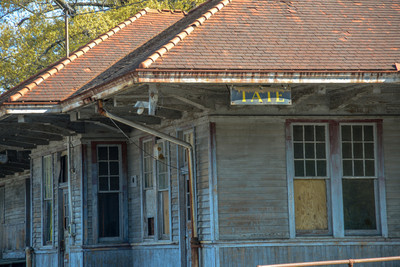
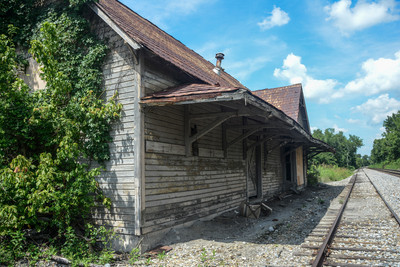
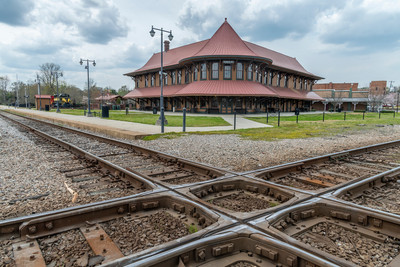
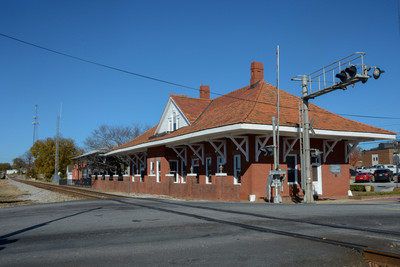
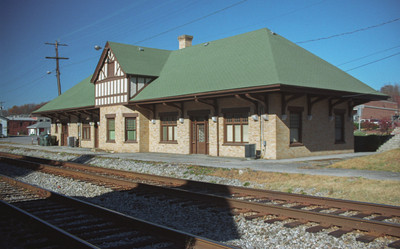
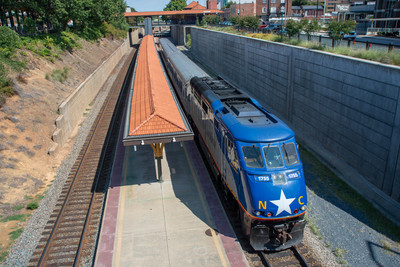
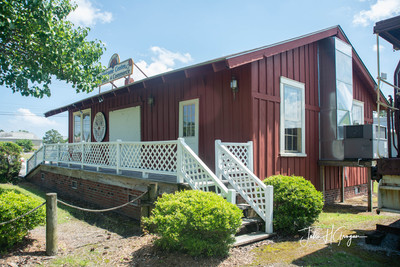
Today, many of these historic structures have disappeared. Some have been restored and repurposed, while others have been abandoned, neglected, or lost to demolition. Recognizing the importance of preserving these pieces of American history, I began photographing railroad depots throughout North Carolina and Virginia several years ago.
What started as a personal interest quickly evolved into a long-term documentary project. As I traveled, I discovered that many depots were deteriorating or disappearing before they could be properly documented. The urgency to record these structures, their architecture, and their stories became the driving force behind the project.
Over time, the collection expanded beyond North Carolina and Virginia to include South Carolina, Tennessee, Georgia, Alabama, Louisiana, and Florida. Today, the archive includes nearly 300 depot buildings, along with more than 100 historic railroad images gathered from state archives and historical collections. The project continues to grow as new depots are discovered and documented throughout the Southeast.
The long-term goal is to produce one or more books celebrating the history, architecture, and cultural significance of Southern railroad depots. The collection also includes photographs contributed by my brother, Joe Grogan, who has assisted in documenting depots during his own travels.
Southern Train Depots is both a photographic journey and a preservation effort—an attempt to record these historic landmarks before they are lost to time. Through photography, I hope to help preserve the stories of the communities, railroads, and people whose lives were shaped by these remarkable buildings.
"Every depot has a story. Together they tell the story of a region, a nation, and an era that transformed America."
|
|
Over time, the collection expanded beyond North Carolina and Virginia to include South Carolina, Tennessee, Georgia, Alabama, Louisiana, and Florida. Today, the archive includes nearly 300 depot buildings, along with more than 100 historic railroad images gathered from state archives and historical collections. The project continues to grow as new depots are discovered and documented throughout the Southeast.
The long-term goal is to produce one or more books celebrating the history, architecture, and cultural significance of Southern railroad depots. The collection also includes photographs contributed by my brother, Joe Grogan, who has assisted in documenting depots during his own travels.
Southern Train Depots is both a photographic journey and a preservation effort—an attempt to record these historic landmarks before they are lost to time. Through photography, I hope to help preserve the stories of the communities, railroads, and people whose lives were shaped by these remarkable buildings.
"Every depot has a story. Together they tell the story of a region, a nation, and an era that transformed America."
|